Opal Stands
How to Clean and Maintain Opal Stands Without Scratching the Surface
How to Clean and Maintain Opal Stands Without Scratching the Surface
An opal stand does quiet work. It lifts a ring, a pendant or a loose opal into the light, then steps back so the stone can do the talking. Because stands are handled, moved and dusted, their surfaces collect fine grit. That grit is what turns a soft cloth into sandpaper. A five-minute routine, repeated often, keeps acrylic, glass, wood and velvet stands clear and scratch-free. The trick is to remove dust before you wipe, use the mildest product that works, and dry every surface properly.
Before you start: set up a safe cleaning station
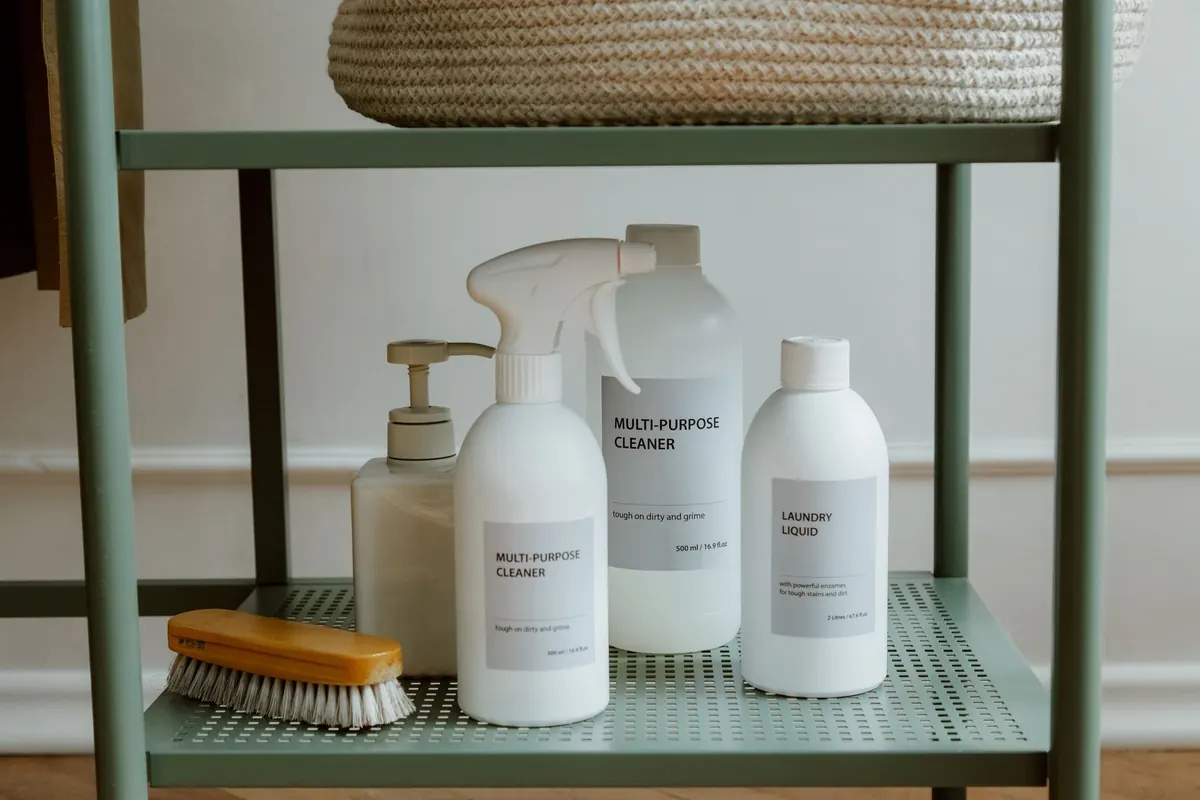
Work in good light on a clean, soft towel. A tray or shallow box lined with microfibre stops small parts rolling away. Gather your kit before you touch the stand, so you are not hunting for a cloth with one hand while holding a delicate display piece in the other.
- Two clean microfibre cloths — one for washing, one for drying.
- A soft brush, such as a clean make-up brush or a dedicated detailing brush.
- Mild washing-up liquid, diluted in lukewarm water.
- Distilled or filtered water for a final rinse, if your tap water is hard.
- Cotton buds for grooves, corners and joins.
- A lint roller or soft clothes brush for velvet-covered stands.
- A pH-neutral glass cleaner for glass only, sprayed onto the cloth — never onto the stand.
Leave kitchen roll, tissues, scouring pads, bleach, ammonia and acetone out of reach. They are either abrasive or too harsh for the plastics, coatings and finishes used on display stands. If your stand came with care instructions, follow those first.
Step one: dust before you wipe
Dust is the enemy. Wiping a dry stand with a cloth drags particles across the surface and leaves fine scratches that catch the light. Remove the loose layer first. Use a soft brush on carved or angled stands, working from the top down. For flat acrylic or glass, a dry microfibre cloth used with almost no pressure is fine. For velvet, a lint roller or soft brush lifts dust without wetting the fabric.
Do not use a feather duster. It moves dust around the room and drops it back onto the stand. If the stand is very gritty, take it outside or over a bin and brush it gently before bringing it back to the cleaning station.
The safe cleaning routine, step by step
Once the dust is gone, you can clean the surface. This order matters more than the product you use.
- Remove the jewellery. Take off rings, pendants and loose opals. Opals can be sensitive to heat, chemicals and sudden temperature changes, so keep them well away from the cleaning water.
- Lay the stand on the towel. If it has several parts, clean one piece at a time.
- Dust again lightly. A quick pass with the soft brush catches anything you missed.
- Mix a mild solution. Add two or three drops of washing-up liquid to a bowl of lukewarm water. More soap does not clean better; it just leaves residue.
- Dampen the washing cloth. Wring it out until it is barely wet. A dripping cloth pushes water into seams and under bases.
- Wipe in straight lines. On acrylic and glass, use gentle straight passes rather than circles. Circular wiping can leave visible swirl marks.
- Rinse with a clean damp cloth. Use plain water or distilled water. Wipe away all soap residue.
- Dry immediately. Use the second microfibre cloth. Buff acrylic and glass lightly until no streaks remain. Let wood and metal air-dry for a moment, then check for water spots.
- Clean the crevices. A cotton bud dipped in the soapy water, then squeezed almost dry, is ideal for slots and edges. Follow with a dry bud.
- Never soak a stand. Water can wick into wood grain, metal joints, laminated edges and velvet backing. If a stand needs more than a damp wipe, clean it in sections instead of dunking it. For stubborn grime, hold a damp cloth against the spot for a few seconds, then wipe gently; do not scrub.
- Let everything dry fully before reassembly. Trapped moisture can cloud acrylic, rust metal pins and loosen adhesive. Wait ten minutes, then inspect in raking light.
Material-by-material care: what changes, what stays the same
Most opal stands fall into a few material families. The dust-first, damp-wipe, dry-immediately rule works for all of them, but each surface has a weak point.
Acrylic stands
Acrylic is lightweight, clear and easy to scratch. Use only microfibre and mild soap. Avoid paper towels, ammonia cleaners, alcohol and abrasive creams. To polish, use a dedicated acrylic polish applied with a clean microfibre cloth, or a tiny amount of plastic polish on a hidden edge first. Example: a small acrylic ring stand may look dusty, but the real culprit is often a fine film of handling oil; a barely damp cloth followed by a dry buff removes it better than a heavy spray.
Glass stands
Glass is harder than acrylic but can still show streaks and edge chips. Use a pH-neutral glass cleaner sprayed onto the cloth, not the stand. Clean the base last, because it holds the most grit. If the glass has a mirrored finish, check the backing: moisture can damage the coating. Dry mirror edges immediately.
Wood stands
Wood hates standing water. Wipe with a cloth wrung almost dry, then dry at once. Avoid silicone polishes on display wood, because they can leave an oily film that attracts dust. A very small amount of beeswax or a wood-safe conditioner, applied rarely and buffed well, can keep the finish smooth. Example: if a wooden base has white water rings, try a dry cloth first; often the mark is surface moisture, not permanent damage.
Velvet and fabric-covered stands
Do not wet velvet unless the care label says it is washable. Brush or lint-roll it instead. For stains, blot with a barely damp cloth and let it air-dry away from heat. Never rub, because crushed pile looks like a scratch even when the fabric is intact.
Metal stands and fittings
Metal may be lacquered, plated or raw. Mild soap and water are safest. Dry immediately to prevent water spots. Avoid silver dips, ammonia and abrasive pads. If a pin or screw is tarnished, remove it if possible and clean it separately with a metal-safe cloth.
Prevention: handling, display and storage habits that reduce cleaning
The best scratch prevention happens before the cloth comes out. Most damage on opal stands starts with grit, movement or pressure.
- Handle by the base. Oils from fingers and rings can transfer to the stand, and gripping a narrow upright can flex or loosen it.
- Keep stands off dusty shelves. A closed cabinet or a covered tray reduces the weekly dusting load.
- Use a soft mat underneath. A piece of felt or shelf liner stops the base from grinding against hard surfaces when you set it down.
- Store spare stands separately. Bumping acrylic against glass or metal against wood causes scratches in storage. Wrap each piece in acid-free tissue or a soft pouch.
- Rotate displays carefully. When changing jewellery, lift the whole stand rather than sliding the item across it.
Think of dust as grit and grit as sandpaper. If you never wipe a dry stand, you remove most of the risk before you start.
Monthly deep clean and troubleshooting
Once a month, or whenever the stand looks dull, give it a slightly more thorough clean. Remove all jewellery, dust thoroughly, then wash each part with the mild soap solution. Use a cotton bud for slots, grooves and the join between the upright and the base. Rinse with a clean damp cloth and dry with a second cloth. Finish by buffing acrylic and glass in straight lines under a lamp; raking light reveals streaks and missed dust.
If you spot scratches, stop cleaning and assess. Fine acrylic scratches can sometimes be reduced with a plastic polish made for the purpose. Deep scratches in glass, coated metal or lacquered wood usually need professional repair. Do not use toothpaste, baking soda or abrasive kitchen cleaners, which can turn a small mark into a cloudy patch.
A simple maintenance rhythm
Dust twice a week with a soft brush or dry microfibre. Wipe with a barely damp cloth once a week if the stand is handled often. Deep clean monthly, or seasonally if the stand stays inside a closed cabinet. Store jewellery separately so the opal never presses against the stand during cleaning. With this rhythm, an opal stand stays nearly invisible, which is exactly what it should be.
Cleaning an opal stand is not about scrubbing harder. It is about interrupting the grit cycle early. Dust first, use the mildest solution, dry every surface, and handle the stand by its base. Do that, and the stand will keep showing off the opal without stealing the light.
Photo: Ron Lach / Pexels
Related Articles